Crawl Spaces · Durham homeowner guide
Is Crawl Space Encapsulation Worth It in Durham, North Carolina?
By Castle Exterminators · · 5 min read
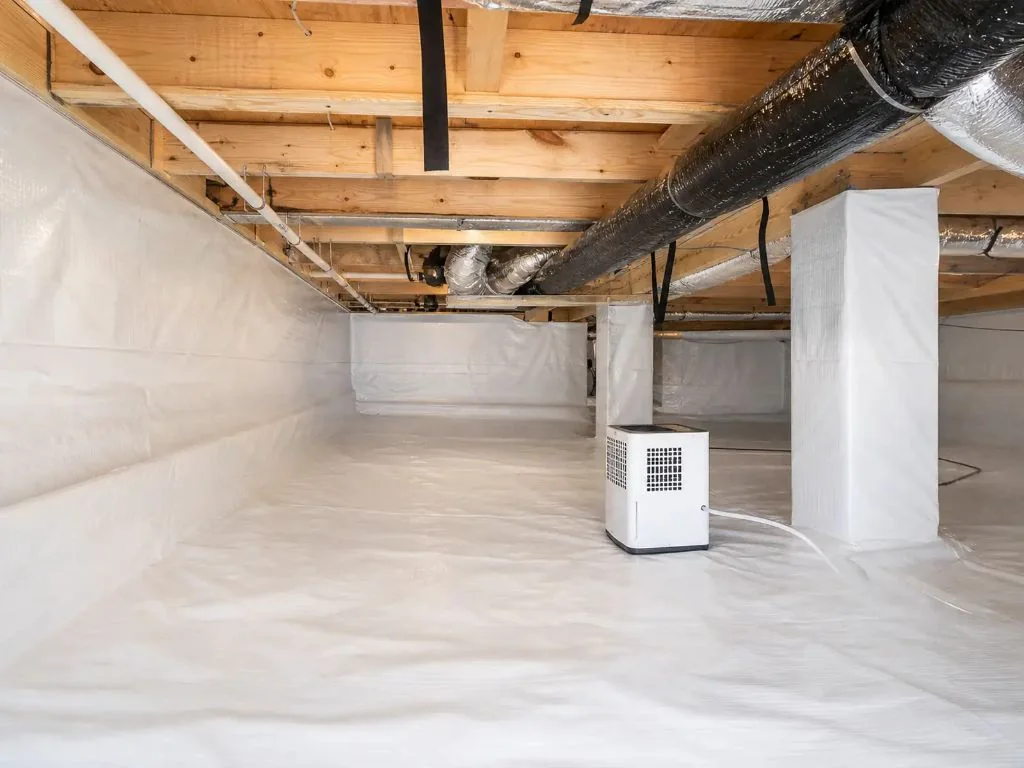
Crawl space encapsulation can be worthwhile in North Carolina when it addresses a documented moisture problem with a complete, maintainable design. It is not automatically the right purchase for every house. A dry crawl space with sound drainage has different needs from one with standing water, damaged insulation, and persistent high humidity. The decision should start with measurements and an inspection, not a blanket promise of lower bills.
For homeowners considering crawl space encapsulation in Durham, NC, the key is understanding what is causing the moisture and which parts of the proposed system address it. A liner, sealed openings, drainage improvements, insulation, and humidity control serve different purposes. Comparing quotes makes more sense once those purposes are clear.
What encapsulation actually changes
Encapsulation generally involves separating the crawl space from ground moisture and uncontrolled outdoor air. A durable vapor barrier covers exposed earth, with seams and penetrations sealed as part of the system. Depending on the design and applicable code, walls and access openings are treated, insulation is installed or adjusted, and a method of controlling humidity is provided.
Laying loose plastic over part of the soil is not the same as creating a complete closed crawl space. Likewise, closing vents alone can leave moisture trapped without an effective drying strategy. The Department of Energy's crawl-space moisture-barrier guidance describes the importance of a continuous barrier. The rest of the system must still be designed for the house.
Why North Carolina crawl spaces can stay damp
In humid weather, outdoor air entering a cooler crawl space can raise relative humidity and create condensation on sufficiently cool surfaces. Exposed soil supplies another source of water vapor. Leaky plumbing, overflowing gutters, poor grading, and downspouts aimed at the foundation can add liquid water. A house can have several of these conditions at once, which explains why a single quick fix sometimes disappoints.
Durham's mix of older homes, additions, sloping lots, and newer subdivisions makes site-specific evaluation important. A damp area around one pipe suggests a different investigation from water collecting along an entire foundation wall after rain. Document when the problem appears and whether it changes with weather or air-conditioning use. That history helps distinguish recurring patterns from a one-time event.
Signs that justify a moisture assessment
- Persistent musty odors, particularly after humid or rainy weather.
- Condensation on ducts, pipes, or other cool surfaces.
- Wet or sagging insulation and visible water staining.
- Standing water, recurring puddles, or clearly exposed damp soil.
- Soft or deteriorating wood, which needs qualified evaluation.
- Humidity readings that remain elevated rather than briefly spiking.
None of these observations alone proves encapsulation is the only answer. Odors may have another source, and visible growth should not be identified solely from a photograph. Structural damage, extensive suspected microbial growth, or contaminated water can require additional specialists. Do not enter a crawl space with standing water, electrical hazards, or unsafe access to gather your own measurements.
Fix bulk water before sealing the space
A vapor barrier is not a repair for a leaking pipe or a foundation that repeatedly floods. Ask the inspector to separate ground-vapor control from liquid-water management. Roof runoff, exterior drainage, plumbing, and any needed sump or drainage system should be considered before or alongside encapsulation. Otherwise, the finished surface may conceal a problem rather than solve it.
This is also the time to address pest activity and damaged materials. Encapsulation is not a termite treatment. Coordinate with your termite professional to maintain the inspection access and exposed areas required by the applicable design, local rules, and warranty. Covering evidence or creating inaccessible spaces can complicate future inspections.
Benefits to expect—and claims to question
A well-designed system can help control crawl-space humidity, reduce ground moisture entering the space, and support better conditions for building materials. Depending on the home, improved air sealing and insulation may affect comfort and energy use. Those outcomes depend on installation quality, existing ductwork, climate, and how the system is operated. They are not a guaranteed percentage reduction in a utility bill.
Be skeptical of promises to eliminate every pest, cure health conditions, or pay for the project within a fixed period without examining your home. Ask which measurements will demonstrate success after installation. An ongoing humidity log and documented inspections provide better evidence than a photograph of a clean white liner alone.
What should be included in the quote?
A specific scope, not just a liner thickness
Look for the barrier specification, how seams and penetrations will be sealed, how access doors will be handled, what insulation work is included, and whether debris removal or repairs are separate. Ask how the design accommodates mechanical equipment, combustion safety, termite inspections, and any applicable permits. If radon is a concern, discuss testing and mitigation with a qualified professional rather than assuming a liner resolves it.
A realistic maintenance plan
If the system uses a dehumidifier, ask about electrical use, filter care, drainage, servicing, and eventual replacement. Sump pumps and alarms also need checks. The liner can be damaged by future plumbing or HVAC work, so access and repair instructions matter. Compare warranties by coverage and exclusions, not just their length, and identify who is responsible if humidity stays elevated.
When a smaller project may be enough
If the main issue is a localized plumbing leak, blocked gutter, damaged existing barrier, or disconnected duct, correcting that problem and reassessing conditions may be a sensible first step. A complete system can still be appropriate when persistent moisture has several sources. Ask for the reasoning behind the recommendation and compare itemized scopes rather than choosing only by the lowest total.
Make the decision with evidence from your home
Our crawl space encapsulation service in Durham can help you evaluate moisture conditions and the work your property needs. Bring photographs, past repair records, and notes about odors or seasonal changes. Request a crawl-space assessment through our contact form to discuss a practical plan before committing to a major project.