Rodents · Durham homeowner guide
Signs of Mice in House: Droppings, Noises and Gnawing
By Castle Exterminators · · 6 min read
In this guide
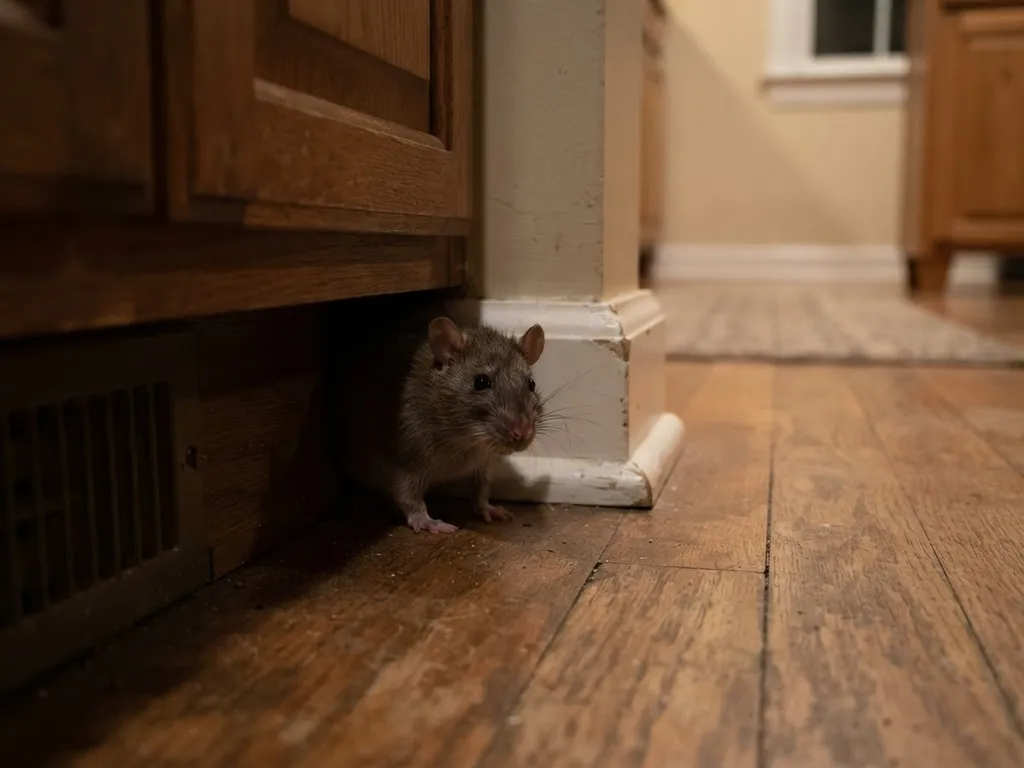
The most reliable signs of mice in house walls, cabinets and attics are fresh droppings, scratching at night and small gnaw marks. If you find two of these in the same area, mice are most likely living there now.
This guide shows what each sign looks like up close, how to tell mouse droppings from rat and cockroach droppings, and what to do in the first 24 hours. To learn why mice come inside and where they get in, read our guide to why mice and rats move into Durham homes in the fall.
What mouse droppings look like
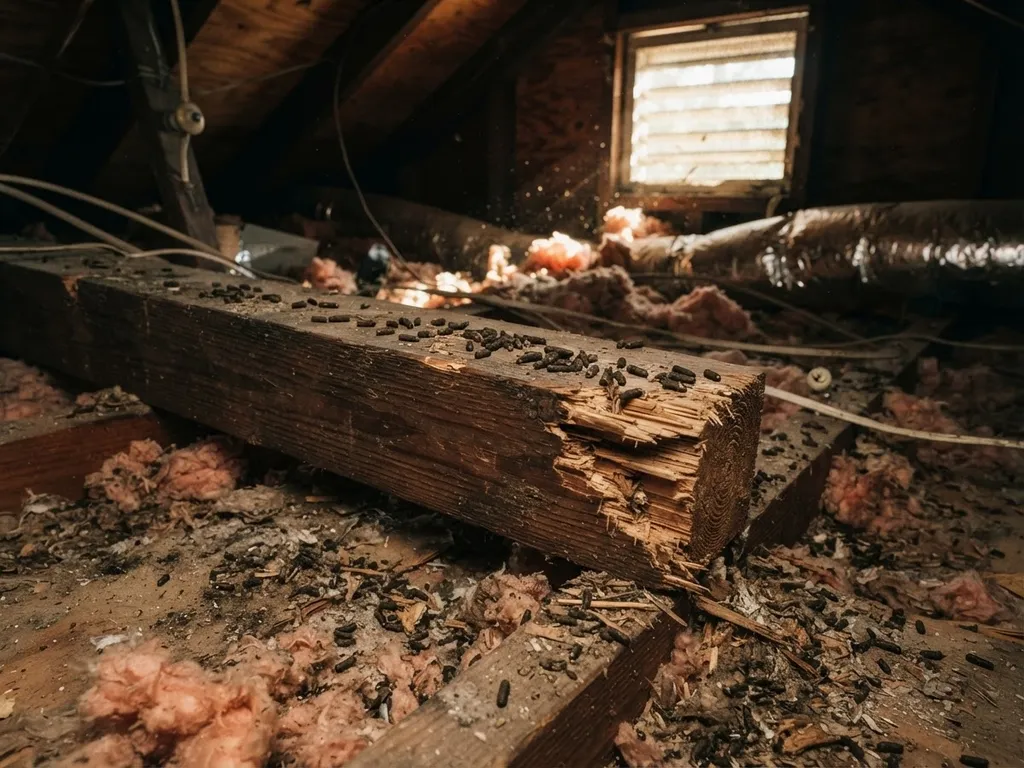
Droppings are usually the first thing people find. House mouse droppings are small, dark and pointed at the ends. NC State Extension puts them at about 1/4 to 1/2 inch long. They collect along walls, in the back corners of drawers and under sinks, because mice travel along edges.
Where you find them tells you something. Droppings in a pantry or cabinet mean mice are feeding there. Droppings in the attic or crawl space point to a nest nearby.
Fresh droppings or old ones?
Fresh droppings are dark, shiny and soft. Over several days they dry out, turn dull and grayish, and crumble easily. Old droppings can sit in an attic or behind a stove for years. Finding them does not prove mice are there today.
The easiest test is to clean a small area safely, using the steps below, and look again in two or three days. New droppings on a clean surface mean the activity is current.
Mouse, rat or cockroach droppings?
| House mouse | Rat | German cockroach | |
|---|---|---|---|
| Size | About 1/4 to 1/2 inch | About 1/2 to 3/4 inch | Tiny dots |
| Shape | Thin with pointed ends | Thicker; blunt ends on Norway rats, pointed on roof rats | Specks or small smears |
| Where | Along walls, drawers, pantries | Crawl spaces and garages (Norway), attics (roof) | Tight spots near food, cabinet hinges and corners |
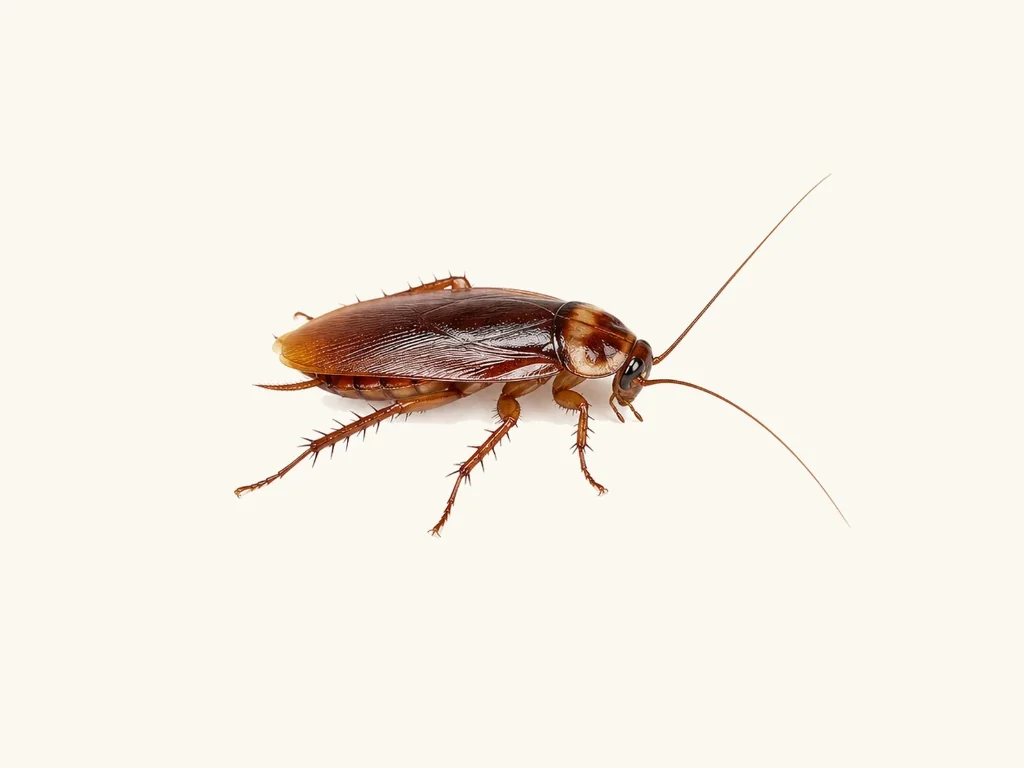
Rat droppings point to a Norway rat at ground level or a roof rat up high. Tiny dark dots in cabinet corners are more likely German cockroaches. Our guide to German and American roaches in Durham covers those.
Gnaw marks and chewing damage
Mouse teeth never stop growing, so mice gnaw on almost anything. Look at the corners of cereal boxes and bags, plastic containers, baseboards and the bottom edges of doors. Fresh gnaw marks look light and clean against older wood. Older marks darken over time.
Check wiring in the attic, basement and behind appliances. Chewed insulation on a wire is a fire risk. Have an electrician look at it before you use that circuit.
What the noises mean
Mice are most active at night. Where you hear them helps narrow down what is going on.
| Where you hear it | What it usually means |
|---|---|
| Inside walls at night | Mice moving through wall voids, often along kitchen or bathroom pipes |
| Ceiling or attic, light scratching | Mice or roof rats nesting in insulation |
| Ceiling or attic, heavier thumps | More likely rats or a larger animal |
| Under the floor | Mice or Norway rats near the foundation, ducts or crawl space |
| Behind the fridge or stove | Mice drawn to warmth and crumbs |
| Mostly in the daytime | Possibly a different animal; an inspection will tell |
What your signs add up to
Use this table to judge how quickly to act. It starts with the most urgent.
| What you found | What it likely means | When to act |
|---|---|---|
| Chewed wiring | Fire risk from gnawing | Today: call an electrician |
| Droppings on counters or in food | Mice feeding where you prepare food | Today: clean, seal food, book an inspection |
| Large droppings, burrows by the foundation | Rats | This week: book an inspection |
| Noises most nights and fresh droppings | An established nest | This week: book an inspection |
| One mouse seen, few droppings | Early activity | Clean, set traps, watch for a week |
| Old, dry droppings with nothing new after cleaning | Past activity | Seal gaps and keep checking |
What to do in the first 24 hours
Start with cleanup, because droppings and urine can spread disease. The CDC recommends wet cleaning instead of sweeping or vacuuming, because sweeping can put germs into the air.
- Open doors and windows and leave the area for 30 minutes.
- Put on rubber or plastic gloves.
- Spray the droppings until very wet with an EPA-registered disinfectant or a fresh bleach solution of 1.5 cups of bleach per gallon of water.
- Let it soak for 5 minutes, or as long as the label says.
- Wipe up with paper towels and put them in a covered trash can.
- Mop or sponge the area with disinfectant.
- Wash your gloved hands, remove the gloves, then wash your hands with soap and warm water.
For a dead mouse or a nest, the CDC says to spray it, then seal it in a plastic bag inside a second bag.
Then move food and pet food into sealed containers. Take a photo of each sign and note the date and room. That record makes an inspection faster. If droppings are spread through attic insulation, leave that area for a professional rodent cleanup.
When to call Castle
Call us if:
- Fresh droppings keep appearing after you clean.
- You hear activity in the walls or attic most nights.
- You find droppings in food areas or chewed wiring.
- The droppings or noises point to rats.
- You cannot find where they are getting in.
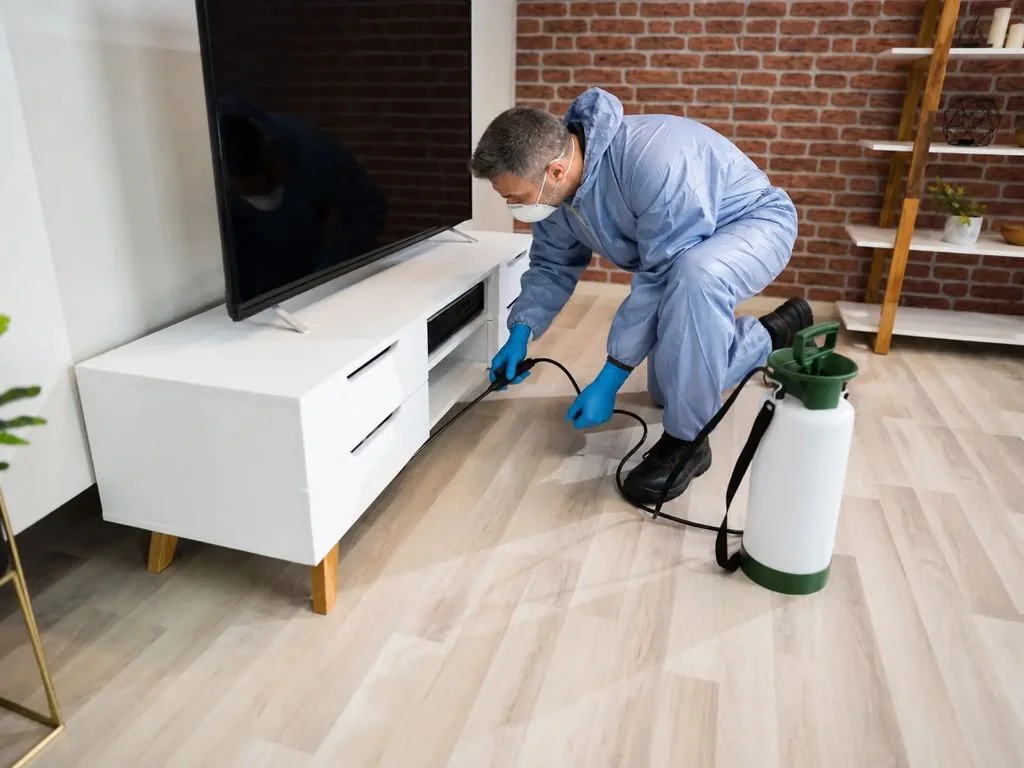
Our rodent control and exclusion service starts with an inspection for entry points. We set tamper-resistant bait stations outside and bait inside only where it makes sense. Then we come back to check activity. Sealing entry points is quoted separately once we know how many gaps there are. Cleanup, disinfection and insulation replacement are a separate service. Mice can find new gaps over time, so we will tell you what to watch for after the visit.
Questions and answers
If I see one mouse, are there more?
Often there are. Mice rarely live alone, and one sighting usually means others are nearby. Check for droppings along walls and in cabinets to see how far the activity goes.
Can I tell how many mice I have from the droppings?
Not reliably. NC State Extension notes that a single mouse can leave 50 to 75 droppings a day. A big pile can come from just a few mice. Droppings in several rooms are a better sign of a larger problem.
Are mouse droppings dangerous?
They can carry germs, and so can urine and nesting material. That is why the CDC recommends wet cleaning with gloves and never sweeping or vacuuming them.
Do I need to replace my insulation?
Only if it is heavily soiled. A technician can look at how much of the attic is affected and tell you whether cleanup or replacement makes sense.
Book a free inspection
Call Castle Exterminators at (919) 606-8686, Monday to Friday, 8am to 5pm ET. You can also request a free inspection online and tell us what you found and where.
Request your free inspection