Rodents · Durham homeowner guide
Why Mice and Rats Move Into Durham Homes in the Fall (and How to Keep Them Out)
By Castle Exterminators · · 6 min read
In this guide
The first cool nights in the Triangle often bring a new sound: light scratching inside a wall after dark, or something moving overhead in the attic. For many Durham homeowners, October is when mice and rats stop being an outdoor problem and start being an indoor one. Knowing why it happens and where they get in helps you act before a few visitors become an established population.
Why rodents move indoors in October
Through the warm months, mice and rats live outdoors in vegetation, woodpiles and burrows. As nights cool in the fall, the shelter outside becomes less comfortable, and seeds, fallen fruit and other food sources start to dry up. A house offers what a rodent wants most going into winter: warmth, steady food, water and quiet places to nest.
They do not need a big opening to make the move. NC State Extension notes that gaps of a quarter inch or larger let adult mice in, and gaps of half an inch or larger let adult rats in. That is why fall is the right time to check the outside of your home as carefully as the inside.
Mouse or rat? How to tell what you have
House mouse
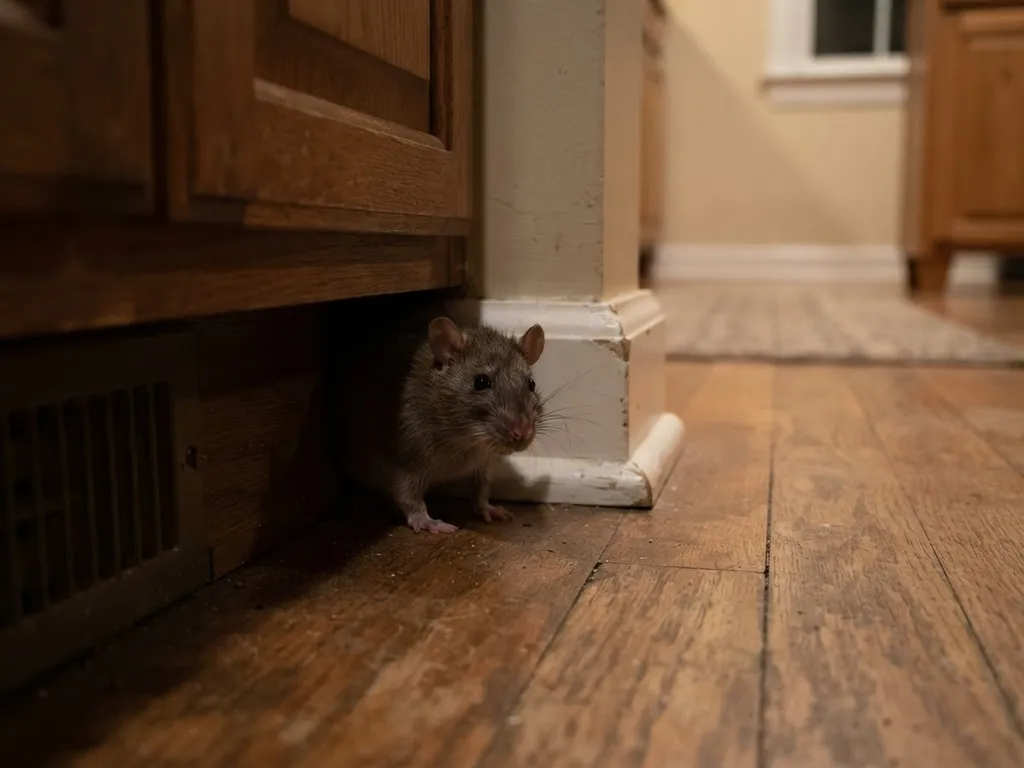
The house mouse is the most common rodent inside Durham homes. Droppings are small, roughly a quarter to half an inch long, dark and tapered at the ends, and often found along walls, in kitchen cabinets and under sinks. Mice are usually heard as light scratching inside walls and ceilings. Chewed packaging tends to show tiny nibbles rather than large holes.
Norway rat
The Norway rat is larger and heavier, and it burrows. Expect activity at ground level: crawl spaces, basements, garages and burrows along the foundation. Droppings are about half to three-quarters of an inch long with more rounded ends. Gnaw marks are larger and rougher, and you may hear heavier movement under floors.
Roof rat
The roof rat is a slender climber with a long tail. It travels along fences, utility lines and tree branches and tends to nest high, so noise in the attic or upper walls at night is a common clue. Its droppings are a similar size to the Norway rat’s but usually more pointed at the ends.
Early warning signs in Durham homes
Rodents are mostly active at night, so you are more likely to find evidence than the animal. Look for:
- Droppings along walls, in drawers, under sinks or behind appliances.
- Scratching, scurrying or gnawing sounds in walls, ceilings or the attic after dark.
- Gnawed food packaging, especially cereal, pet food, grains and birdseed.
- Dark, greasy rub marks along walls, pipes and beams where rats travel repeatedly.
- Nesting material: shredded paper, fabric or insulation in boxes, drawers or wall voids.
- Pets staring at a wall, pawing at a cabinet or suddenly interested in one corner.
Where they get in
Crawl spaces and foundation vents
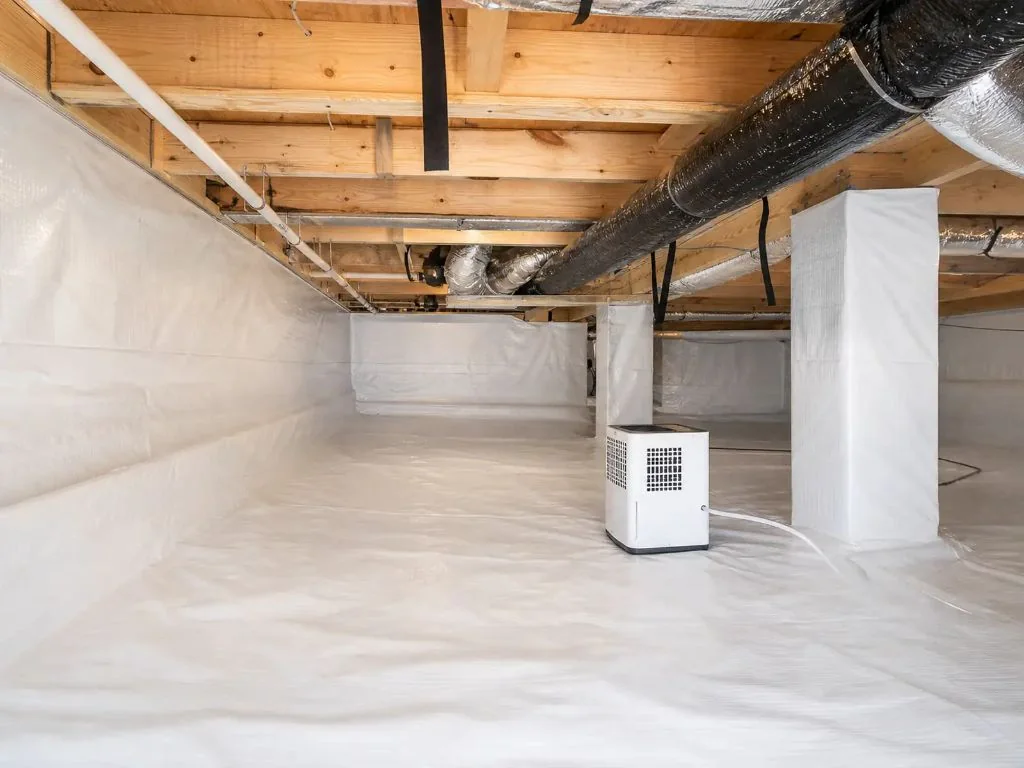
Many Durham homes, especially older ones near downtown, sit over vented crawl spaces. Damaged vent screens, loose access doors and gaps where the foundation meets the siding give rodents a sheltered route under the house and into wall cavities. A damp, open crawl space also gives them water and nesting cover.
Gaps around pipes, AC lines and garage doors
Look where utilities pass through the wall: water lines, gas lines, cable, dryer vents and the refrigerant lines for your AC unit. Check garage door seals, which wear over time. Gaps under exterior doors without a solid sweep are another common entry.
Rooflines, soffits and overhanging branches
Roof rats in particular use tree limbs, fences and utility lines to reach the roof. From there, a gap at a soffit, a loose vent cover or an opening where the roofline meets a wall can lead into the attic. Branches touching the roof give them an easy bridge.
What you can do this weekend
A few practical steps make your home harder to enter:
- Store food, pet food and birdseed in sealed containers, and do not leave pet bowls full overnight.
- Trim tree branches and shrubs so they do not touch the roof or siding.
- Seal small gaps with copper mesh or 00 steel wool covered with caulk, or with quarter-inch hardware cloth. Avoid expanding foam alone; rodents can chew through it.
- Repair or replace worn door sweeps and garage door seals.
- Move firewood, lumber and debris away from the house and off the ground.
NC State Extension’s guides to managing structure-invading mice and structure-invading rats explain these exclusion methods in more detail. Wear gloves when handling anything rodents may have touched.
When to call a rodent exterminator
Traps can catch the mice already inside, but traps alone do not stop new ones from getting in. Exclusion, which means finding and sealing the entry points, is what keeps rodents out over the long term. Fresh droppings week after week mean the openings are still there.
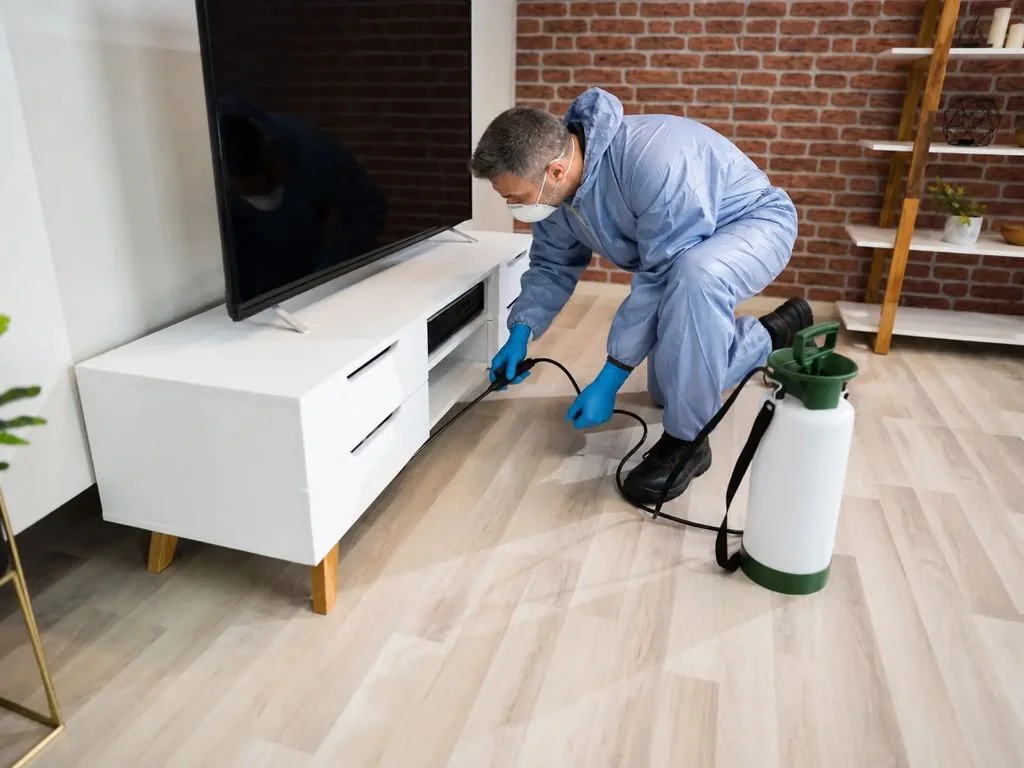
It is time to call a rodent exterminator in Durham if you hear activity in walls or the attic, see signs of rats, find droppings in living areas or near food, or cannot find where they are getting in. A good mouse exterminator or rat exterminator will inspect the whole structure, explain what they found and recommend a plan that includes sealing entry points, not just setting traps.
Castle offers rodent removal and exclusion for Durham-area homes, and rodent cleanup when droppings or nesting have contaminated insulation or storage areas. Exclusion is quoted with its own scope, because the work depends on how many openings your home has and where they are. Our guide to how pricing works explains what to ask before approving a quote.
Frequently asked questions
Are there pest control companies in Durham that handle mice?
Yes. Castle Exterminators is a family-owned Durham company that handles mice and rats, from inspection and trapping or baiting to sealing entry points.
How much does mouse control cost in Durham?
It depends on how much activity there is, how many entry points need sealing and how easy they are to reach. We give you a written quote after a free inspection, so you know the scope and price before any work begins.
Do mice leave on their own when it warms up?
Usually not. Once mice have food, water and a sheltered nest indoors, they have little reason to leave, and they keep breeding. Warmer weather does not seal the gaps they used to get in.
Is rodent control safe around kids and pets?
It can be, when it is planned around your household. Tell us about children and pets before the visit. Baits are placed in tamper-resistant stations where they are used, traps are set out of reach, and every product is applied according to its label directions.
Book a free rodent inspection in Durham
If you are hearing or seeing signs of mice or rats, a free inspection is the quickest way to find out what you have and how they are getting in. We serve Durham, Chapel Hill, Carrboro, Hillsborough, Cary, Apex, Morrisville and Raleigh.
Call (919) 606-8686 or send us a request. Castle Exterminators is family-owned and licensed in North Carolina (NC license #1979PW).
Request your free Durham inspection