Seasonal · Durham homeowner guide
Fall Pest Prevention Checklist: 10 Steps for Durham Homes
By Castle Exterminators · · 6 min read

In this guide
The best way to keep pests out of a Durham home this fall is to close the ways in before the nights turn cold. This fall pest prevention checklist starts outside, where mice, stink bugs, spiders, roaches, ants and termites first reach your house, and then moves to the crawl space, storage areas and a professional inspection.
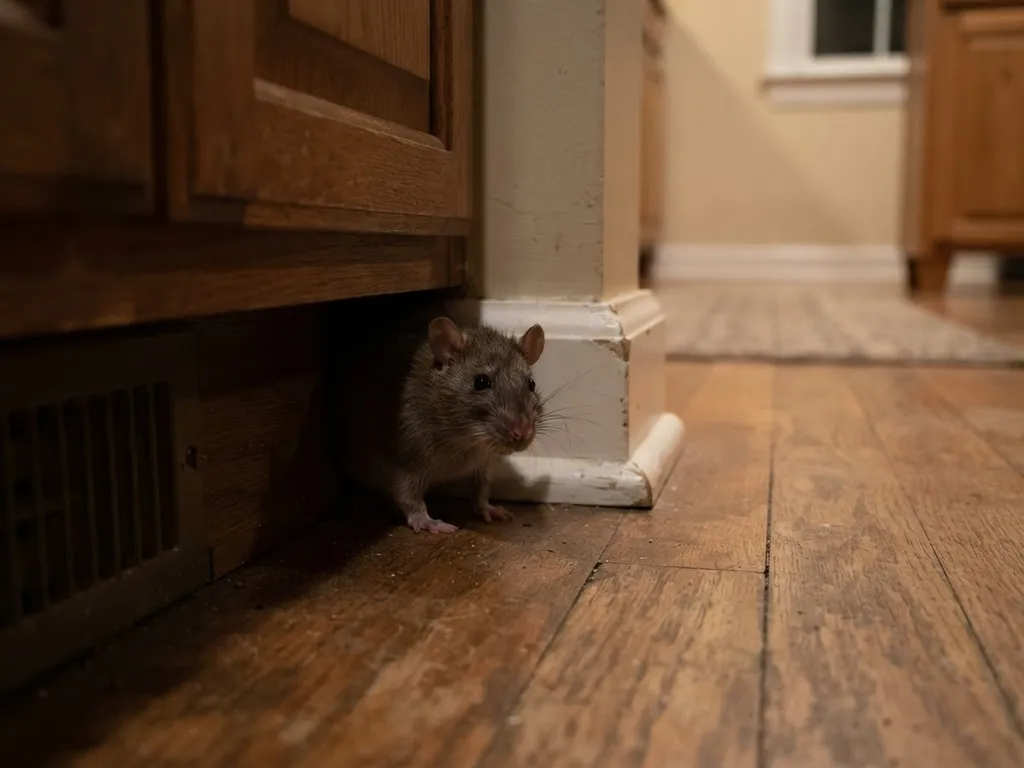
Most of the list fits into one dry weekend. Work through the outside steps first, then go under and inside the house, and tick each step off as you go. You can download the printable fall pest prevention checklist (PDF) to carry around the yard. For mice and rats in detail, see our guide to why mice and rats move into Durham homes in the fall.
Outside the house
1. Seal gaps where pipes, wires, dryer vents and AC lines enter.
Walk around the house and look where anything passes through the wall. NC State Extension notes that a gap of about a quarter inch is enough for an adult mouse. Pack copper mesh or 00 steel wool into the gap and seal over it with caulk. Avoid expanding foam on its own, because mice can chew through it.
2. Fix door sweeps, weatherstripping and the garage door seal.
Close each outside door and look at the bottom edge from inside. If you can see daylight under a closed door, pests can get in. Replace worn sweeps and torn weatherstripping. Check the garage door's bottom seal too, because it cracks and shrinks with age.
3. Repair window and door screens, and cover vents and the chimney.
Torn screens let in stink bugs, spiders and other insects looking for a warm place to spend the winter. Patch or replace damaged screens. Then check the foundation vents, attic vents and chimney. The National Pest Management Association recommends screening attic vents and chimney openings. Each one should have an intact screen or a cap.
4. Clean the gutters and point downspouts away from the foundation.
Water that collects next to the house keeps the soil damp, and damp soil draws termites, ants and roaches. NC State Extension lists downspouts that empty too close to the building among the common sources of extra moisture at the foundation. Clear leaves out of the gutters. Add extenders or splash blocks so the water runs away from the house.
5. Pull mulch, pine straw and leaves back from the foundation.
Mulch and pine straw hold moisture against the house. When they touch wood siding or trim, they give termites a hidden path to the wood. The National Pesticide Information Center advises keeping mulch several inches below the wooden parts of the home.
6. Trim branches and shrubs so nothing touches the roof or siding.
Branches that touch the roof give roof rats and ants an easy bridge onto the house. Shrubs against the walls hold moisture and hide gaps. Cut limbs back from the roofline and leave open space between shrubs and siding.
7. Stack firewood at least 20 feet from the house, off the ground.
Firewood piles shelter insects, spiders and rodents. The National Pest Management Association recommends storing firewood at least 20 feet from the house, and the National Pesticide Information Center advises keeping it off the ground. Bring in only what you will burn that day, so insects in the wood do not wake up in a warm room.
Under and inside the house
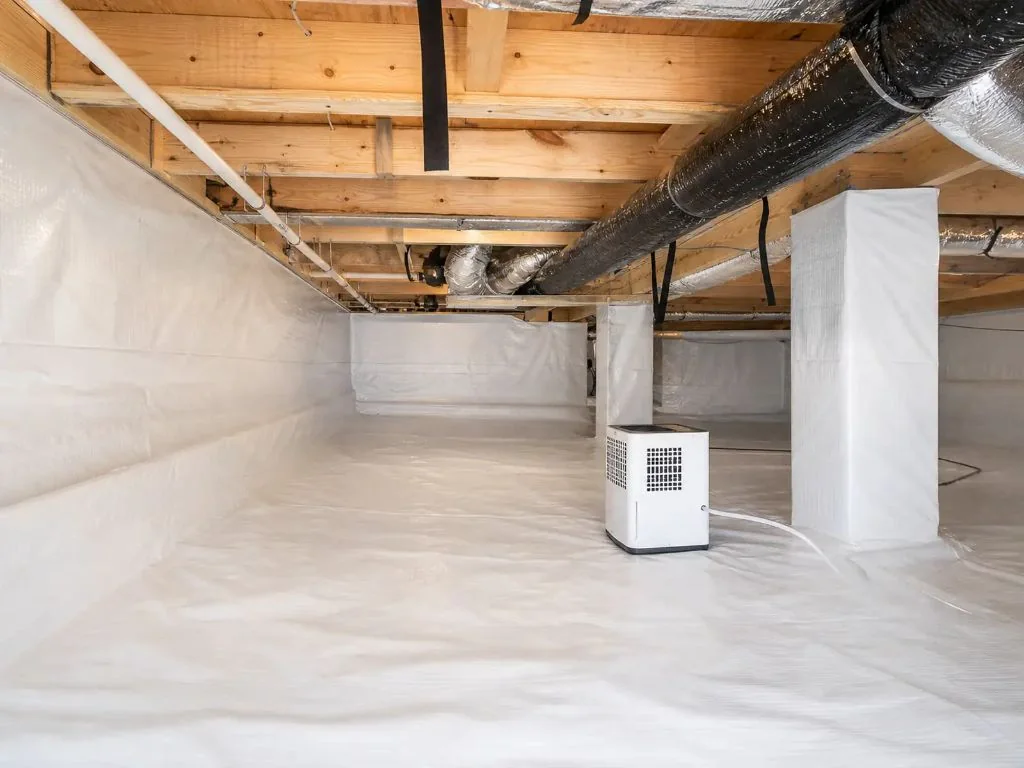
8. Check the crawl space for standing water, damp insulation, a torn vapor barrier and broken vent screens.
Open the crawl space door and shine a strong flashlight into each corner. Note what you find and where, so it is easy to show a technician. The National Pesticide Information Center recommends keeping crawl spaces dry and well ventilated to discourage termites. If moisture is a constant problem, our guide to crawl space encapsulation in Durham covers the longer-term options.
9. Store food, pet food and birdseed in hard containers.
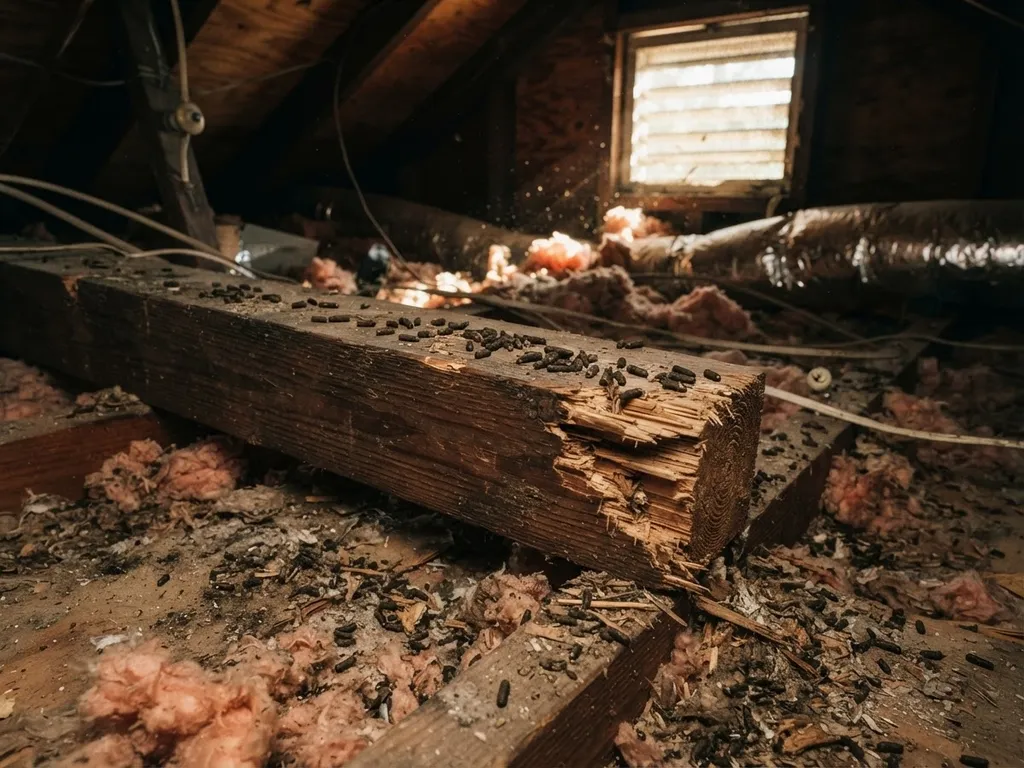
Mice chew through bags and cardboard to reach food. Move pet food, birdseed and pantry staples into hard containers with tight lids. In the garage and attic, use plastic bins and keep them off the floor. Before you bring holiday decoration boxes inside, open them and look for droppings, chewed paper or nesting material. Our guide to the signs of mice in a house shows what to look for.
10. Book a fall inspection for the roofline, attic and crawl space.
Some common entry points are hard to see from the ground or reach safely. A technician can check the roofline, attic and crawl space and show you which gaps matter most. Our general pest control service starts with a free inspection and a written estimate before any work. You can choose one-time service or a monthly, quarterly, annual or seasonal plan.
What each step keeps out
| Step | Main pests it helps with |
|---|---|
| 1. Seal gaps around pipes, wires and vents | Mice, rats, roaches, spiders |
| 2. Fix door sweeps and seals | Mice, roaches, spiders, ants |
| 3. Repair screens, cover vents and chimney | Stink bugs, spiders, mice, rats |
| 4. Clean gutters, move downspouts | Termites, ants, roaches |
| 5. Pull mulch and leaves back | Termites, ants, roaches |
| 6. Trim branches and shrubs | Roof rats, ants, spiders |
| 7. Move firewood away and off the ground | Termites, spiders, mice |
| 8. Check the crawl space | Termites, roaches, mice, rats |
| 9. Store food in hard containers | Mice, rats, roaches |
| 10. Book a fall inspection | All of the above |
Questions and answers
When should I work through this checklist?
Early fall is best, before the first cold nights push pests to look for shelter. In the Triangle, that usually means late September or October.
Can I use spray foam to fill gaps?
Not on its own. NC State Extension does not recommend expanding foam alone, because mice can chew through it. Pack the gap with copper mesh or 00 steel wool first, then seal it with caulk.
If I do all ten steps, will I still need pest control?
You may not. The steps close the easiest ways in and make your home less inviting. Some gaps are hard to find, and pests can find new ones over time. If you still see signs of pests afterward, an inspection will show where they get in.
Will a fall treatment keep pests out all winter?
No treatment can promise that pests will never come back. Recurring plans help by keeping an eye on your home through the season. On qualifying plans, if covered pests return between scheduled visits, we come back to treat them at no extra charge.
Book your free fall inspection
Every Castle service starts with a free inspection and a written estimate, so you know the scope and cost before any work begins. Rodent exclusion and cleanup, termite treatment and wasp nest treatment are quoted separately once we know the scope. Our guide to how pest control pricing works in Durham explains what to ask before you approve a quote.
Call Castle Exterminators at (919) 606-8686, Monday to Friday, 8am to 5pm ET, or request your free inspection online.
Request your free inspection