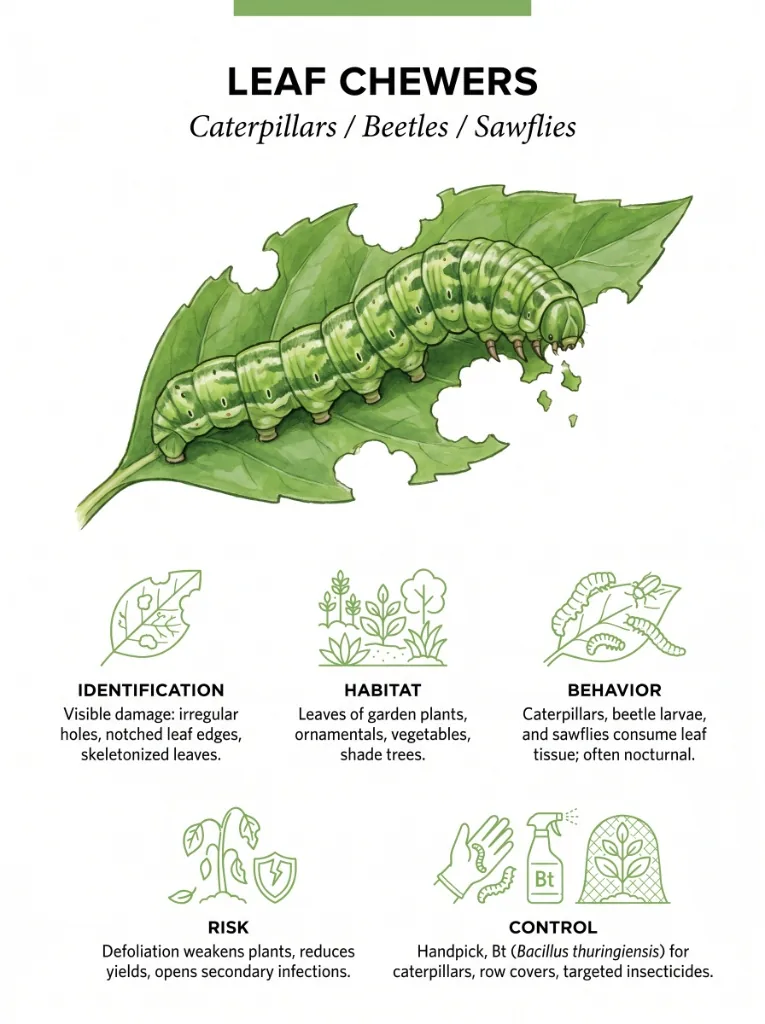
Leaf Chewers (Caterpillars / beetles / sawflies) identification infographic showing size, habitat, behavior, risk, and control
Low concern

Leaf Chewers — Identification & Control

Caterpillars / beetles / sawflies

Size
Varies
Category
Garden & Outdoor

About the leaf chewers

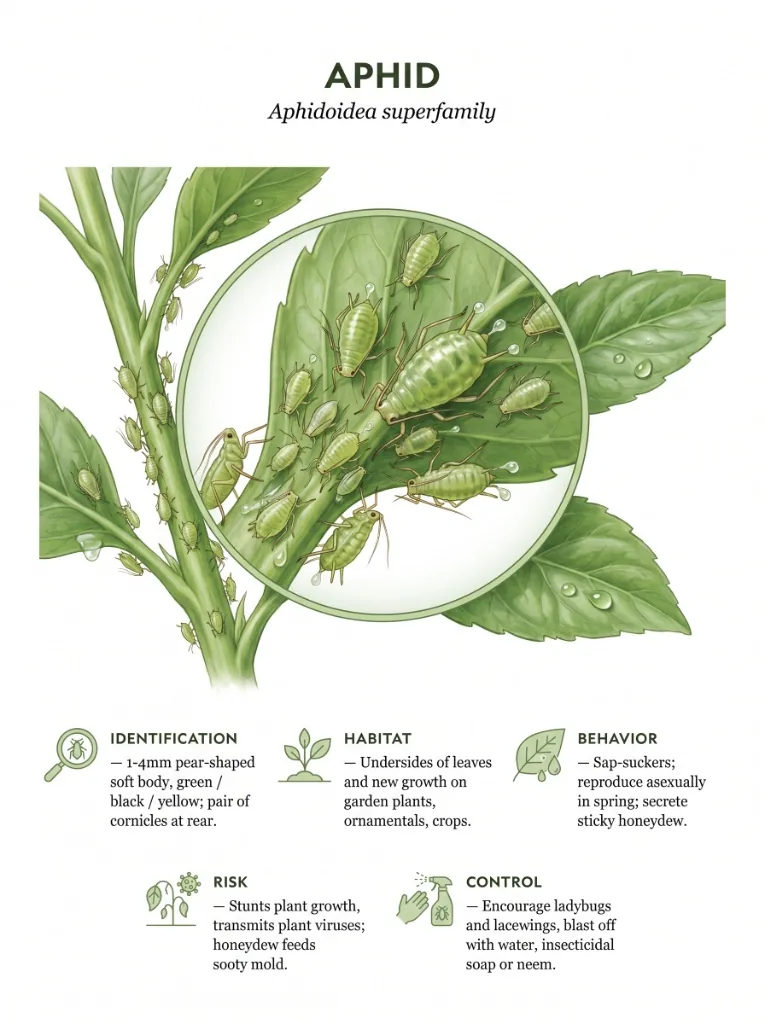
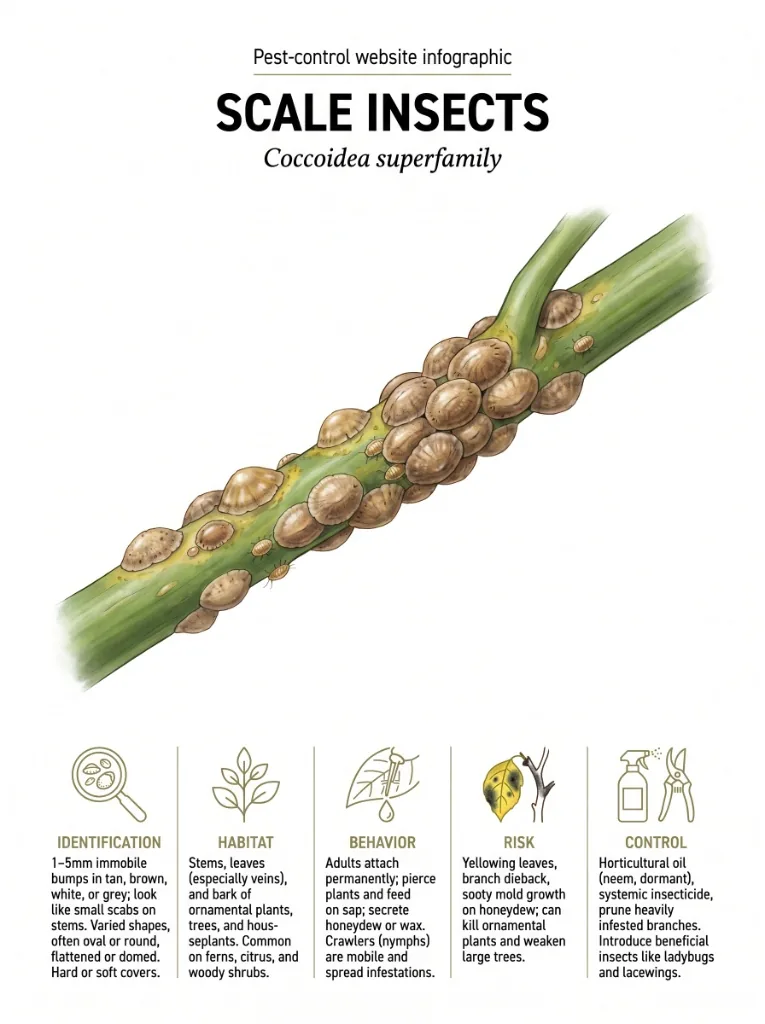
"Leaf chewers" is a practical catch-all for the wide range of caterpillars, leaf-feeding beetle larvae, and sawfly larvae that damage garden and ornamental plants by directly consuming leaf tissue — producing irregular holes, notched edges, or, in heavy infestations, fully skeletonized leaves with only the veins remaining. Unlike sap-sucking pests such as aphids or scale insects, leaf chewers leave unmistakable, visible feeding damage that is usually the first clue something is wrong.

Most leaf-chewing damage is cosmetic and plants recover once the responsible larvae finish feeding or are controlled, but heavy or repeated infestations can weaken plants, reduce flowering and fruit yield, and create entry points for secondary plant diseases. Because so many different insect groups fall under this category, effective control starts with identifying the actual culprit — caterpillar, beetle larva, or sawfly larva — since the most effective treatment differs between them.

Quick ID

Visible feeding damage: irregular holes, notched leaf edges, or skeletonized leaves.

In the Triangle

Universal across Triangle vegetable gardens and ornamental beds.

Think you have leaf chewerss?

Free inspection from a licensed Castle Exterminators technician — Durham, Chapel Hill, Raleigh, Cary & the Triangle. We'll confirm the species and recommend a treatment plan.

Request Free Inspection (919) 606-8686
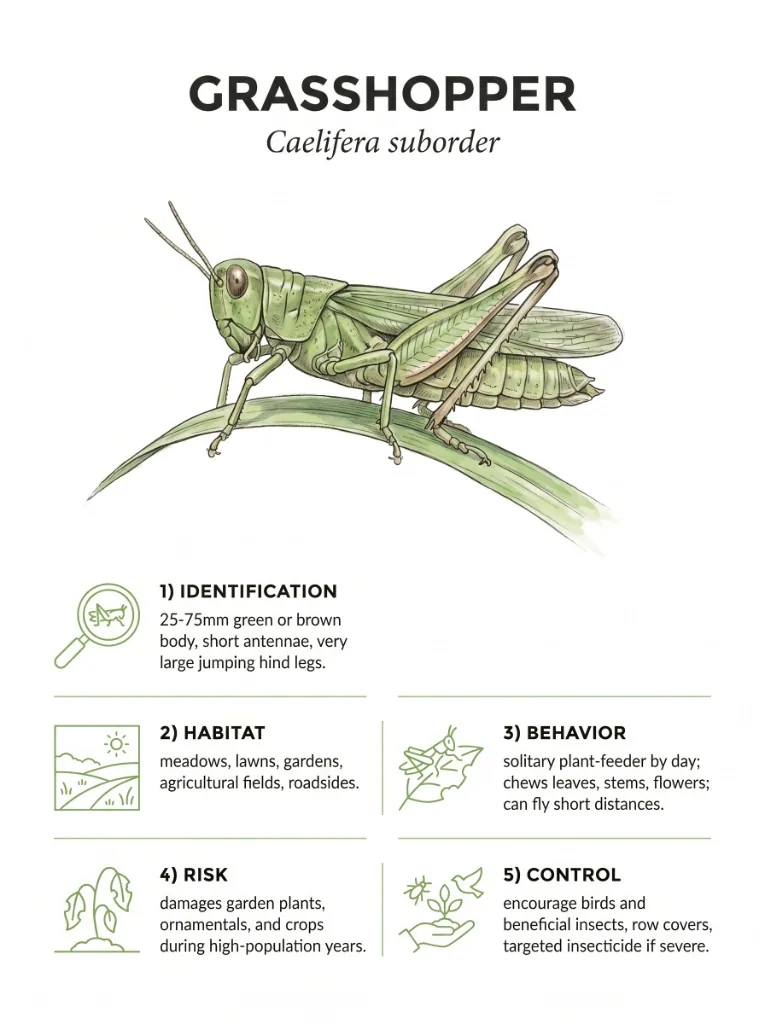
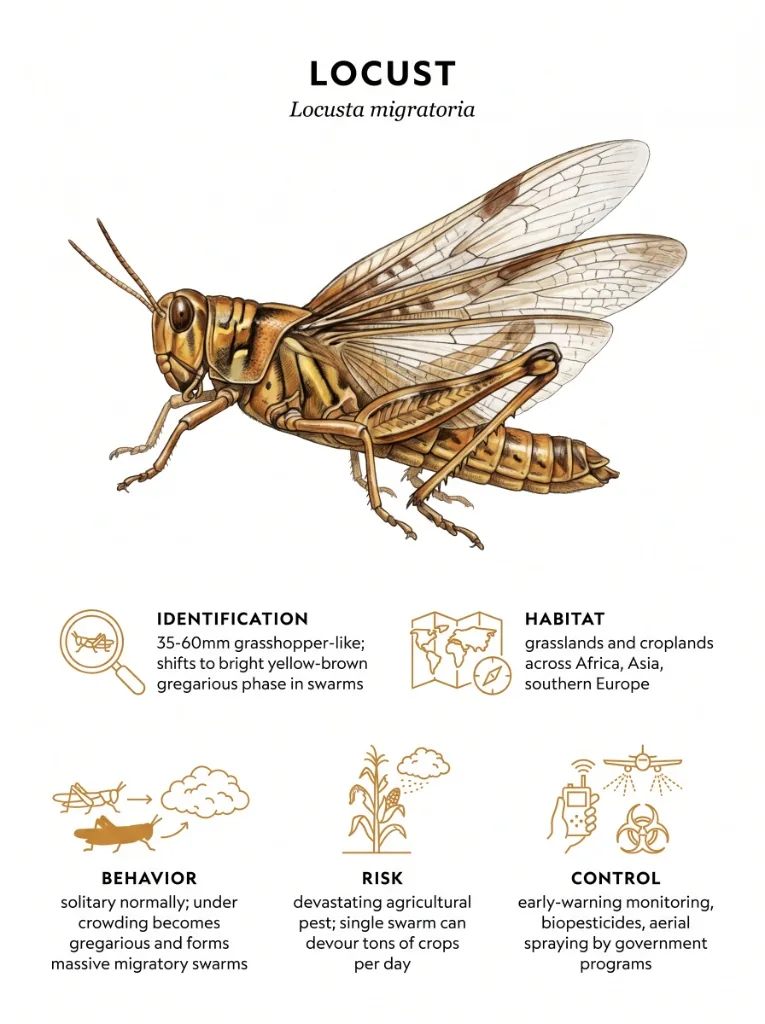
Identifying What's Chewing Your Leaves

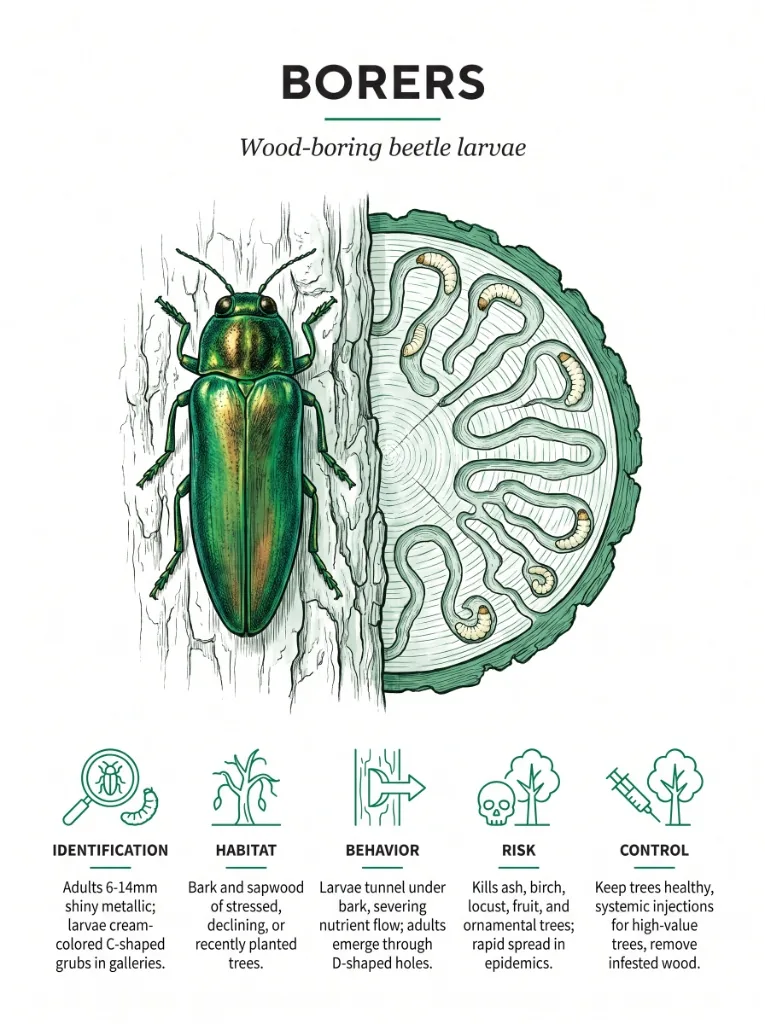
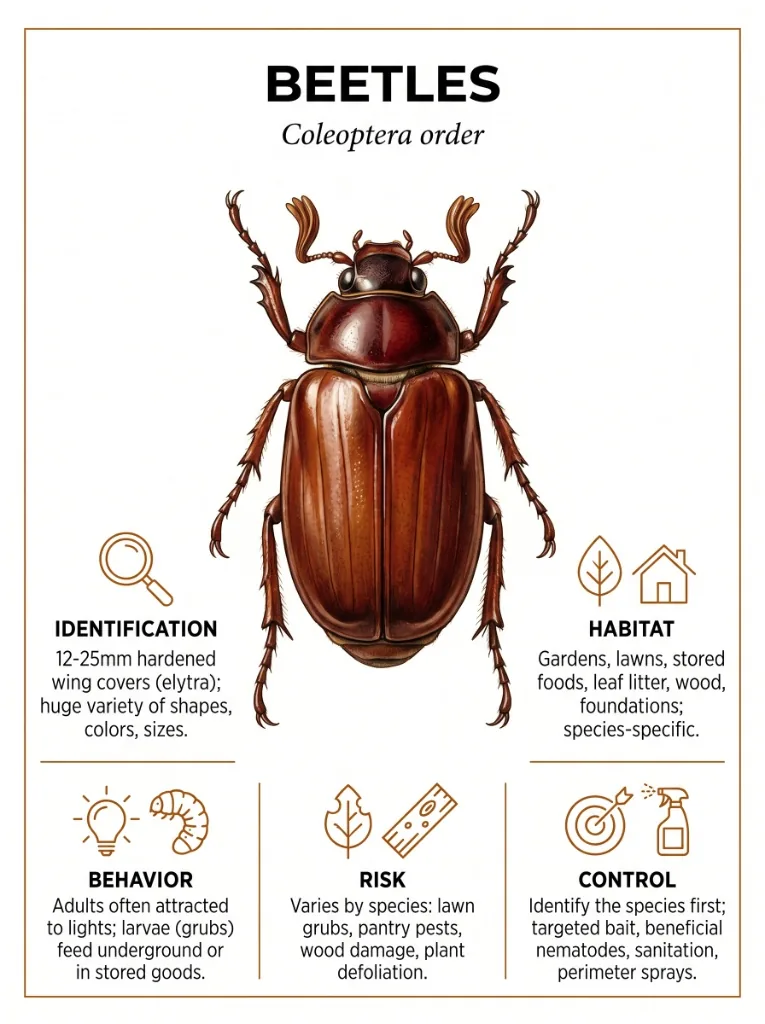
Caterpillars are soft-bodied with a distinct head capsule and typically feed at leaf edges inward; many are active at night and hide during the day. Beetle larvae are often grub-like or elongated with a harder body and visible legs near the head. Sawfly larvae closely resemble caterpillars but have more pairs of prolegs along the abdomen and often feed in visible groups, skeletonizing a leaf from one spot outward. Checking the underside of damaged leaves at dusk or with a flashlight at night often reveals the responsible larvae.

Managing Leaf-Chewing Pests

Hand-picking visible larvae off plants works well for light infestations and small gardens. Row covers protect vulnerable seedlings during the most damage-prone early growth stage. Bacillus thuringiensis (Bt), a naturally occurring bacterium, is highly effective against caterpillars specifically while remaining safe for beneficial insects and pollinators. For beetle larvae or sawfly outbreaks that Bt does not address, or for widespread damage across a garden, a targeted insecticide application is the more reliable option.

Frequently asked

Leaf Chewers questions homeowners ask

Will leaf-chewing damage kill my plants?
Most leaf-chewing damage is cosmetic and plants recover, but heavy or repeated infestations — especially on young plants — can weaken growth, reduce yields, and open the door to secondary plant diseases if left unaddressed.
Does Bt work on all leaf-chewing pests?
Bt is effective specifically against caterpillars, not beetle larvae or sawfly larvae, so correctly identifying which insect is responsible for the damage matters before choosing a treatment.

Related pests

More in garden & outdoor

Browse all pests