Mosquitoes · Durham homeowner guide
When Is Mosquito Season in North Carolina? A Durham Homeowner's Guide
By Castle Exterminators · · 5 min read
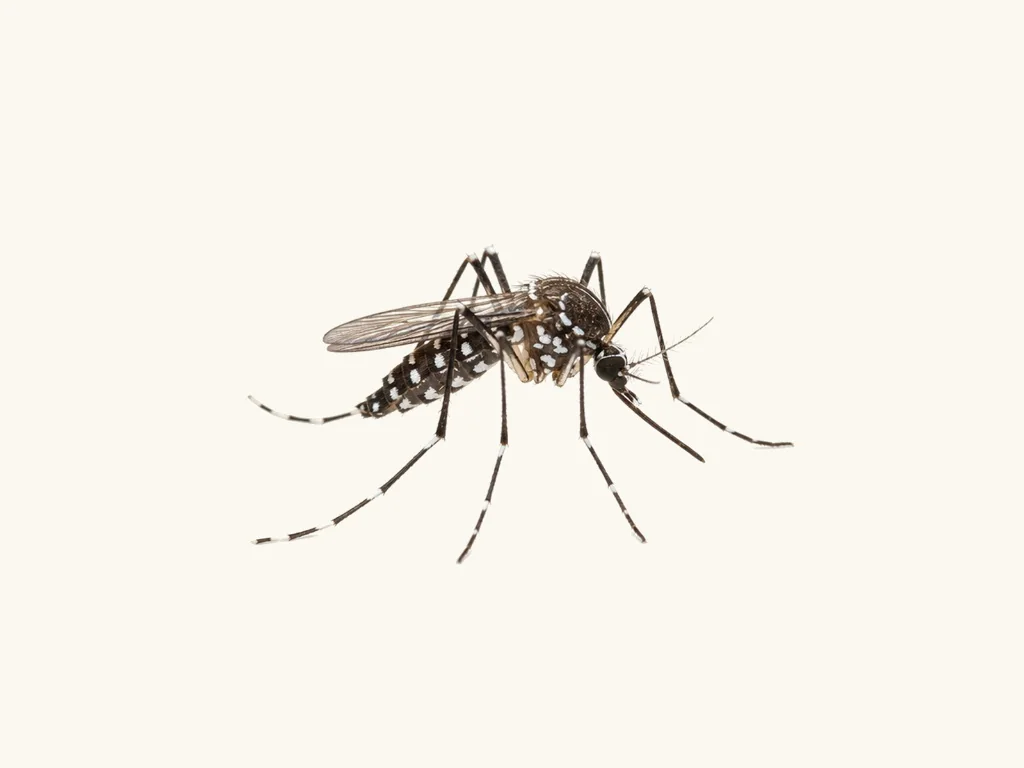
For planning purposes, Durham homeowners should expect mosquito activity through much of the warmer part of the year, commonly from spring into fall. April through October is a useful working window, not a guaranteed start and stop date. A warm spell can bring activity earlier, while a mild autumn can keep biting mosquitoes around longer than expected. Local weather and the water available around your property matter more than the calendar alone.
Understanding mosquito season in NC helps you start prevention before the first backyard gathering becomes uncomfortable. It also keeps expectations realistic: no single treatment makes an outdoor space permanently mosquito-free. The strongest approach combines removing breeding sites, limiting exposure, and using targeted professional services when appropriate.
How the season typically develops in Durham
Spring: check water before activity builds
As temperatures rise, surviving mosquitoes and newly developing generations become more noticeable. Spring rain can refill containers that stayed dry through winter. Walk the yard after rain and check forgotten plant saucers, buckets, tarps, toys, and low spots in outdoor furniture. Starting this routine early is easier than chasing a larger population once the weather becomes consistently warm.
Summer: warm conditions shorten the cycle
Warm weather can speed development, and repeated storms provide new standing water. Shaded vegetation and sheltered spaces offer resting areas for adult mosquitoes. A yard can therefore have both a breeding source and nearby cover. Biting may happen during the day as well as around dusk, depending on the species; waiting until evening to take precautions can miss part of the problem.
Fall: let conditions guide the finish
September and October can still bring outdoor mosquito activity in the Triangle. Continue checking containers while temperatures remain favorable. Activity usually declines as cold weather becomes established, but one chilly night does not tell you every mosquito has disappeared. If bites continue, investigate current sources rather than assuming a scheduled end date has solved the issue.
Why two neighboring yards can feel different
Mosquito pressure can vary across a single block. One property may have dense shade, clogged gutters, and several water-holding containers; another may be sunny and well drained. Nearby untreated properties can also contribute adults. Durham's wooded lots, gardens, and summer rainfall create many possible combinations, so recommendations should follow an inspection instead of relying only on your ZIP code.
Not all mosquitoes develop in the same habitat. Some use small containers close to homes, while others come from larger water sources farther away. A persistent problem after basic cleanup may need a closer look at the species and surroundings. Our mosquito identification page explains the general pest, but local conditions determine the practical next steps.
A weekly standing-water checklist
Once a week, and after substantial rain, empty and scrub containers that can hold water. Simply tipping a bucket once is not a lasting fix if it refills the next afternoon. Turn unused containers over, store them under cover, or remove them. Focus on manageable sources on your property rather than disturbing natural waterways.
- Empty plant saucers, watering cans, buckets, and unused pet bowls.
- Refresh and scrub birdbaths and other intentionally maintained containers.
- Check folds in tarps and covers for hidden pockets of water.
- Keep gutters flowing and address downspouts that create puddles.
- Inspect wheelbarrows, toys, discarded tires, and recycling containers.
- Maintain screens on rain barrels and repair damaged window screens.
For water that cannot be removed, ask about an appropriately labeled larval-control product or professional recommendation. Do not add pesticides to storm drains, streams, or ponds without confirming that the specific use is permitted. Drainage problems may need a different contractor; repeated adult mosquito treatments cannot repair a blocked drain or a poorly directed downspout.
Protect people as well as the yard
Use an EPA-registered insect repellent according to its label, and follow age-specific directions for children. Long sleeves, long pants, intact screens, and screened outdoor spaces can reduce exposure. A fan may improve comfort on a small patio, but it should not replace personal protection when mosquitoes are active. Follow current public-health advice if local authorities report mosquito-borne disease concerns.
The CDC's mosquito-bite prevention guidance is a useful reference for repellent use and household precautions. Avoid treating marketing language such as “natural” as a substitute for evidence or label directions. Products differ, and suitability depends on who will use them and how they are applied.
When professional mosquito control can help
If you have removed obvious sources and still cannot use the yard comfortably, consider an inspection. A professional should discuss standing water, shaded resting areas, nearby habitat, and the spaces your family actually uses. Ask which products are proposed, where they will be applied, and what preparation and re-entry instructions apply to people and pets.
Our mosquito control service in Durham focuses on reducing activity, not promising total elimination. Treatment plans should account for flowering plants, pollinators, water features, and the product label. Timing and any repeat application depend on conditions and the approved directions; more frequent spraying is not automatically a better plan.
Build your schedule around the property
Start with spring cleanup, keep a weekly water check through warm months, and reassess after storms or changes in activity. If you are planning an outdoor event, allow time for evaluation rather than assuming a last-minute treatment will handle every mosquito. Tell your technician where and when bites occur; that information can make the inspection more useful.
You do not need a perfect lawn to reduce mosquito pressure. Consistent attention to water and a plan matched to your yard are more useful than a calendar reminder alone. Use our contact form to request a mosquito inspection and describe your Durham property's shade, standing water, and most troublesome outdoor areas.