Termites · Durham homeowner guide
How to Tell If You Have Termites in Your Durham Home
By Castle Exterminators · · 5 min read
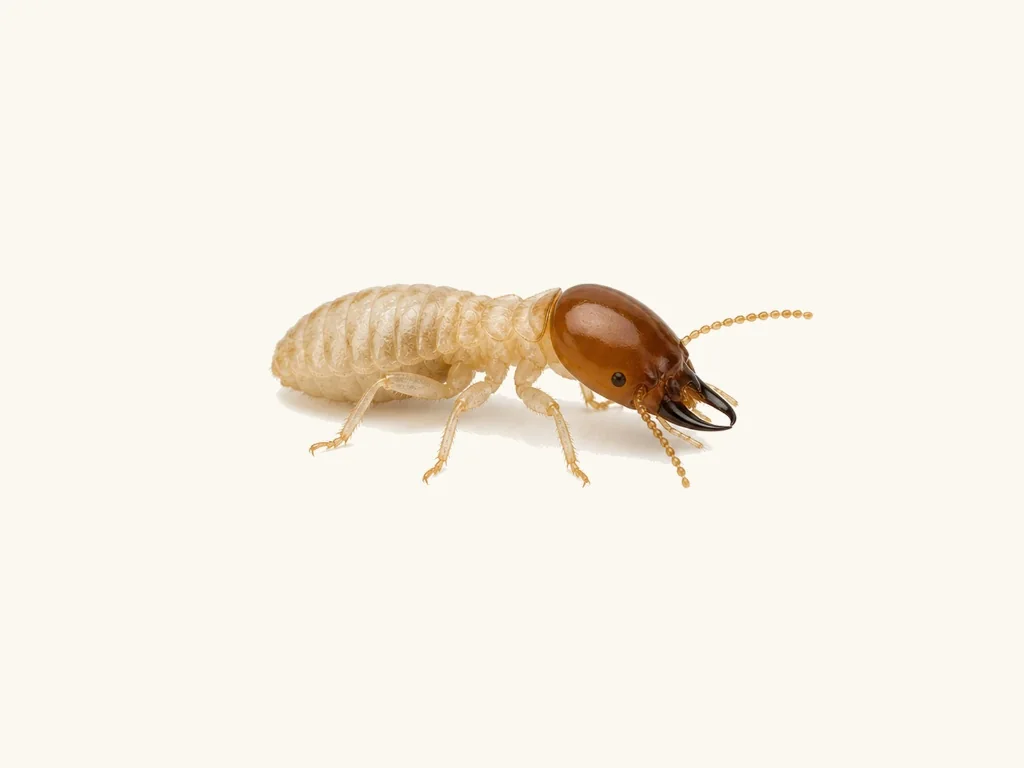
Finding wings on a windowsill or an unfamiliar muddy line along your foundation can turn an ordinary morning into a worried inspection of the whole house. Neither clue automatically proves you have an active infestation. Both deserve attention. For homeowners concerned about termites in Durham, NC, the useful question is not just whether an insect looks suspicious, but where it appeared and what other evidence is nearby.
Subterranean termites are an important wood-destroying pest in North Carolina. They often reach buildings from the soil, using sheltered routes that can stay out of sight. A brick exterior, concrete slab, or recently renovated kitchen does not make a house immune. Knowing what to document helps a professional distinguish an active problem from old damage or a different insect.
The most useful signs of termites in North Carolina
Mud tubes on foundations and supports
Look for narrow, soil-colored tubes on visible foundation walls, masonry piers, or other surfaces between the ground and wooden components. These protected passageways help subterranean termites travel without drying out. A tube may be active, abandoned, or partly damaged, so its appearance alone cannot date the infestation. Photograph it and leave the surrounding area undisturbed for inspection rather than scraping everything away.
Swarmers and discarded wings
Winged reproductive termites may appear during warm weather, often around spring swarming periods. Indoors, a cluster of swarmers or piles of similar-sized wings near windows deserves a prompt inspection. Outdoor swarmers near a stump may come from a colony that is not feeding on your house. Note whether the insects emerged inside, beside the foundation, or farther out in the yard.
Wood changes that need a closer look
Blistered surfaces, weakened trim, or wood that sounds unexpectedly hollow can have several causes, including moisture and other wood-destroying organisms. Subterranean termite damage may contain soil or muddy material within feeding galleries. Do not assume every squeaky floor means termites, and do not start cutting structural wood to investigate. A qualified inspection can determine whether pest activity, water damage, or both need attention.
Termite swarmers or flying ants?
Adult termite swarmers generally have a broad waist, relatively straight antennae, and two pairs of wings of roughly equal length. Winged ants usually show a pinched waist, elbowed antennae, and front wings longer than the rear pair. These differences are easier to see in a sharp, close photograph than while an insect is moving across the floor.
Identification can still be difficult when wings are missing or the specimen is damaged. Save a few insects in a closed container if you can do so without handling pesticides or disturbing building materials. Our subterranean termite identification guide provides another reference, but an image comparison should not substitute for examining the structure.
Where Durham homeowners should look first
Start with places you can reach safely from outside: foundation edges, porch supports, attached steps, door frames, and wood close to soil. Check for firewood stacked against siding, wet mulch covering the foundation, or downspouts discharging beside the house. In established Durham neighborhoods, additions and older porches can create complicated inspection paths. Newer construction also has joints and utility penetrations that deserve attention.
If you have a crawl space, document what you can see from the entrance. Do not crawl into standing water, damaged flooring, exposed wiring, or a confined space you cannot navigate safely. A professional can assess hidden framing and note inaccessible areas. Access limitations matter: “no visible evidence” is not the same as a guarantee that every part of the home is termite-free.
What to do before an inspection
- Take clear photographs and record the room or foundation location.
- Save available insects or wings and note when you first saw them.
- Gather previous inspection reports, treatment records, and warranty details.
- Move ordinary stored belongings away from access points where safe.
- Avoid spraying the evidence or removing tubes before the visit.
You do not need to know the treatment method before asking for help. The first step is identifying the insect and assessing the building. A household aerosol may kill exposed insects without reaching the colony or protecting the structure. It can also make the original activity harder to evaluate.
What a termite inspection should explain
Ask the inspector to show you the evidence, distinguish current activity from historical damage where possible, and describe any areas that could not be inspected. The discussion should include moisture conditions, wood-to-soil contact, and previous treatments. If control is recommended, ask how the proposed approach fits your foundation type and what monitoring or renewal obligations follow.
Our termite control and inspection service in Durham starts with evaluating the property rather than assuming every home needs the same solution. Get the scope and warranty terms in writing. An inspection is not a structural engineering assessment; significant weakening may also require a qualified building professional. For a home purchase, confirm the specific wood-destroying-insect reporting requirements with your lender and closing team.
Reduce conditions that make the house attractive
Repair leaks, maintain gutters, direct drainage away from foundations, and keep stored wood off the ground and away from the building. Preserve visible foundation inspection areas when landscaping. These steps reduce favorable conditions but do not replace treatment when an infestation is present. NC State Extension's guide to preventing termite problems in existing homes explains why both inspections and moisture management matter.
Get a clear answer about your home
A suspicious sign is a reason to investigate, not a reason to panic or buy the first product on a shelf. Early documentation and a careful inspection give you a better basis for deciding what to do next. Request a free termite inspection through our contact form and tell Castle Exterminators what you found and where you found it.