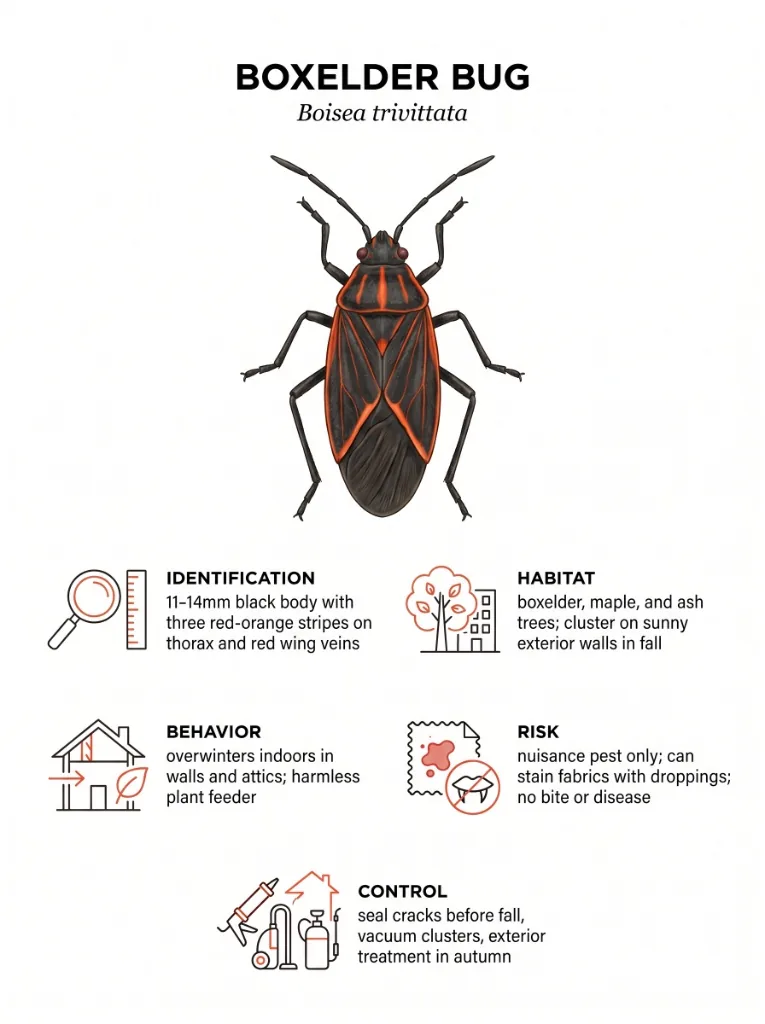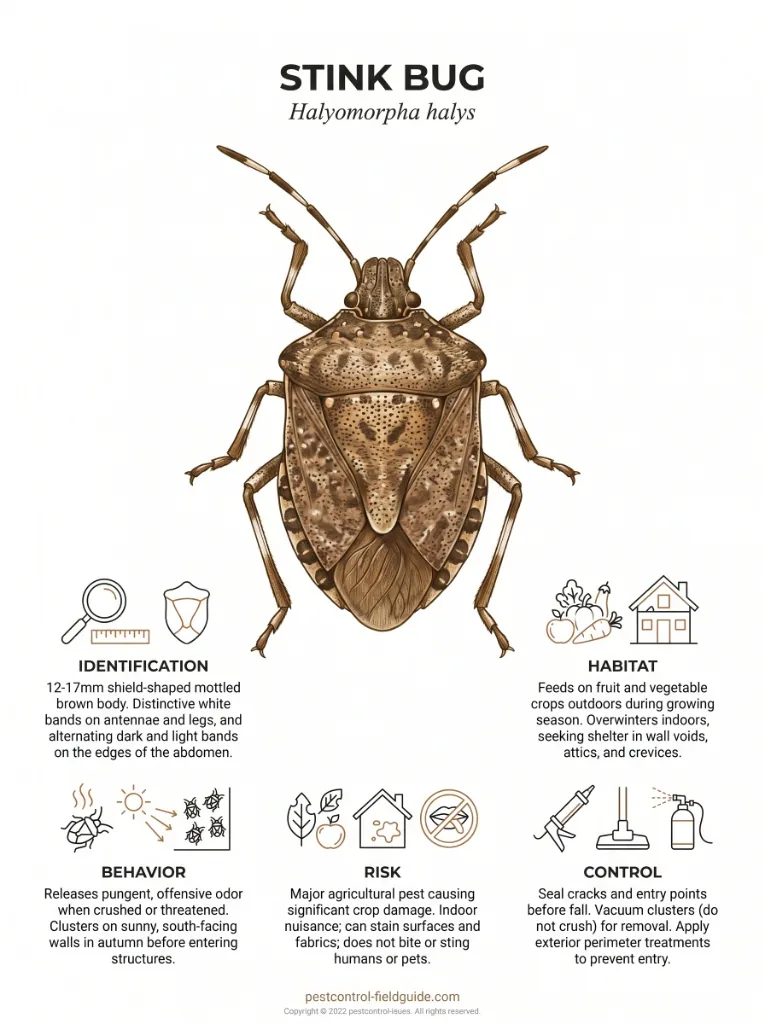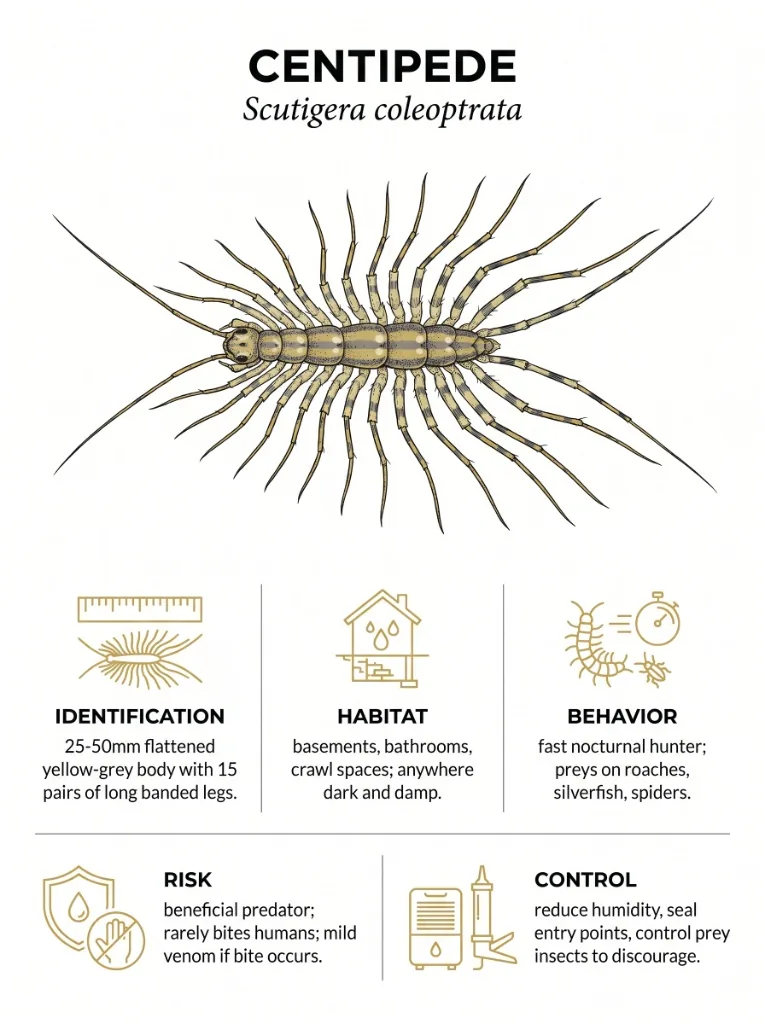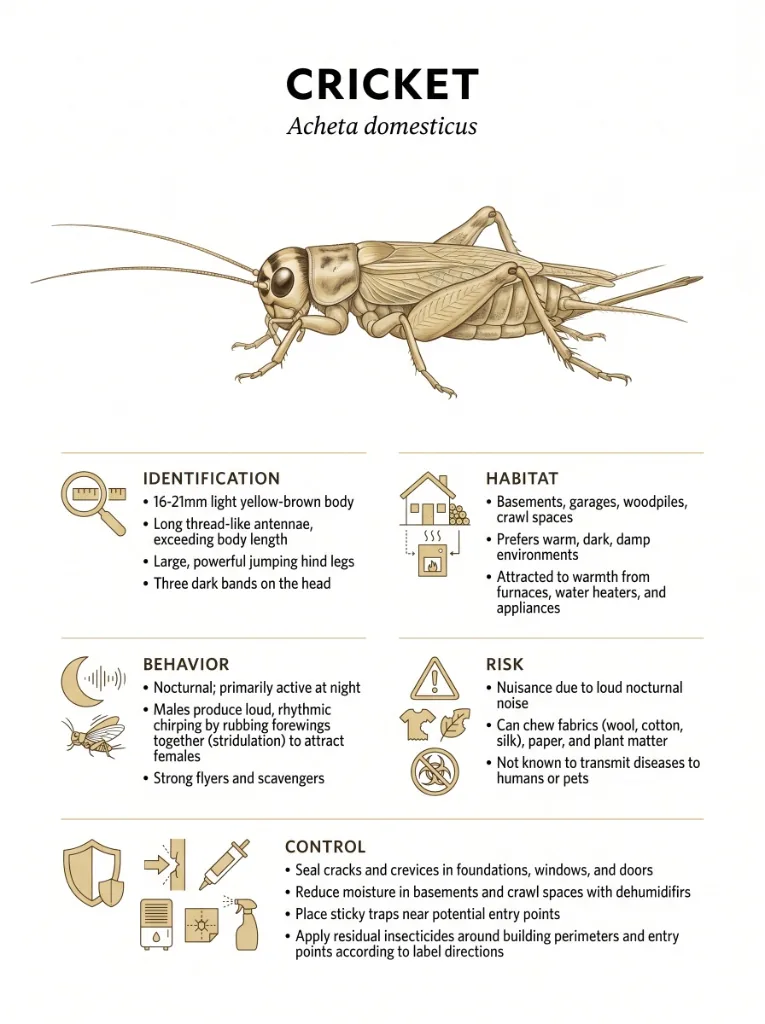
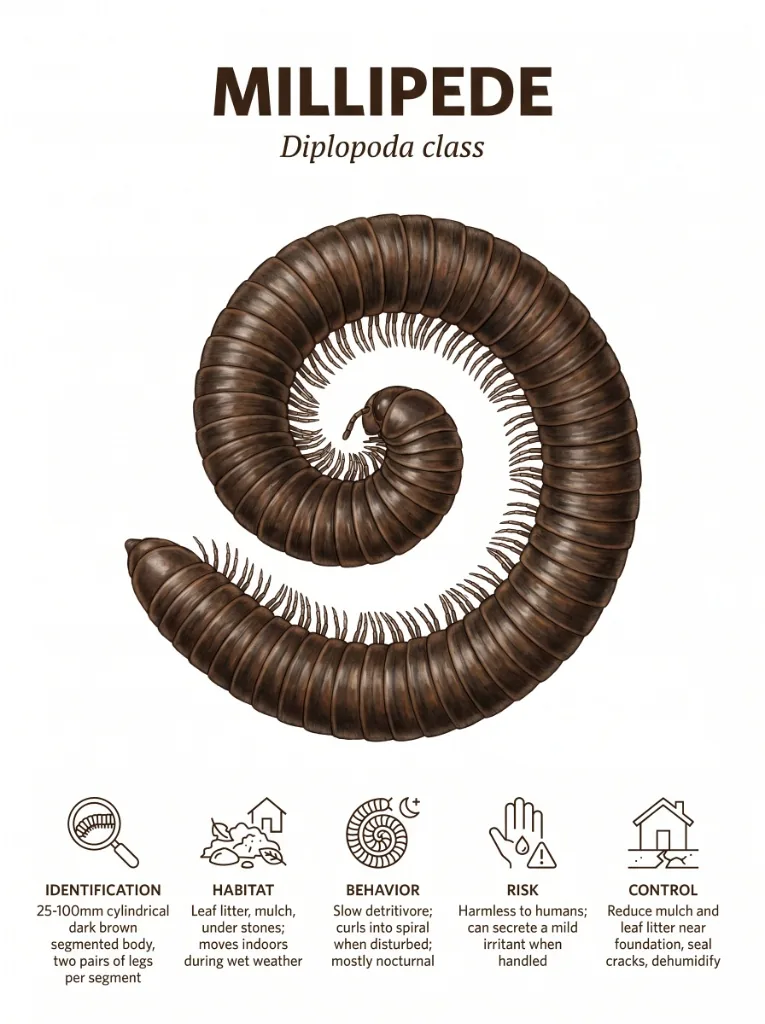
Millipede (Diplopoda class) identification infographic showing size, habitat, behavior, risk, and control
Low concern

Millipede — Identification & Control

Diplopoda class

Size
25–100 mm
Category
Occasional Invaders

About the millipede

Millipedes are dark brown, cylindrical, segmented arthropods instantly recognizable by their defensive habit of curling into a tight spiral when disturbed or handled. Despite the alarming number of legs (two pairs per body segment, which can add up to well over a hundred on larger species), millipedes are slow-moving, harmless detritivores — they feed on decaying leaves, wood, and other organic matter, and play a genuinely beneficial role breaking down plant debris in garden beds and leaf litter.

The only mild concern with millipedes is a defensive secretion some species release when handled directly, which can cause minor skin irritation or discoloration in sensitive individuals — they do not bite or sting. The real nuisance is behavioral: after periods of heavy rain, millipedes sometimes migrate indoors in surprisingly large numbers, seeking drier ground, and while they cannot survive long indoors without moisture, a sudden mass appearance can be alarming.

Quick ID

25–100 mm cylindrical dark brown segmented body with two pairs of legs per segment.

In the Triangle

Common Triangle migration events after heavy rain, especially spring and fall.

Think you have millipedes?

Free inspection from a licensed Castle Exterminators technician — Durham, Chapel Hill, Raleigh, Cary & the Triangle. We'll confirm the species and recommend a treatment plan.

Request Free Inspection (919) 606-8686
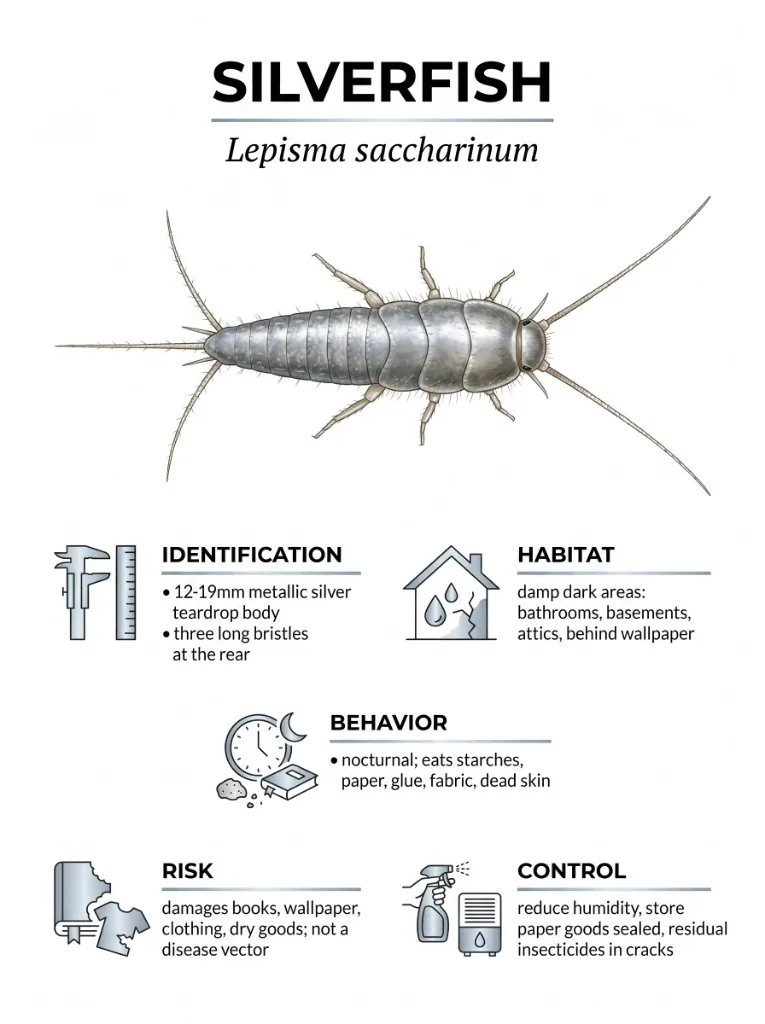
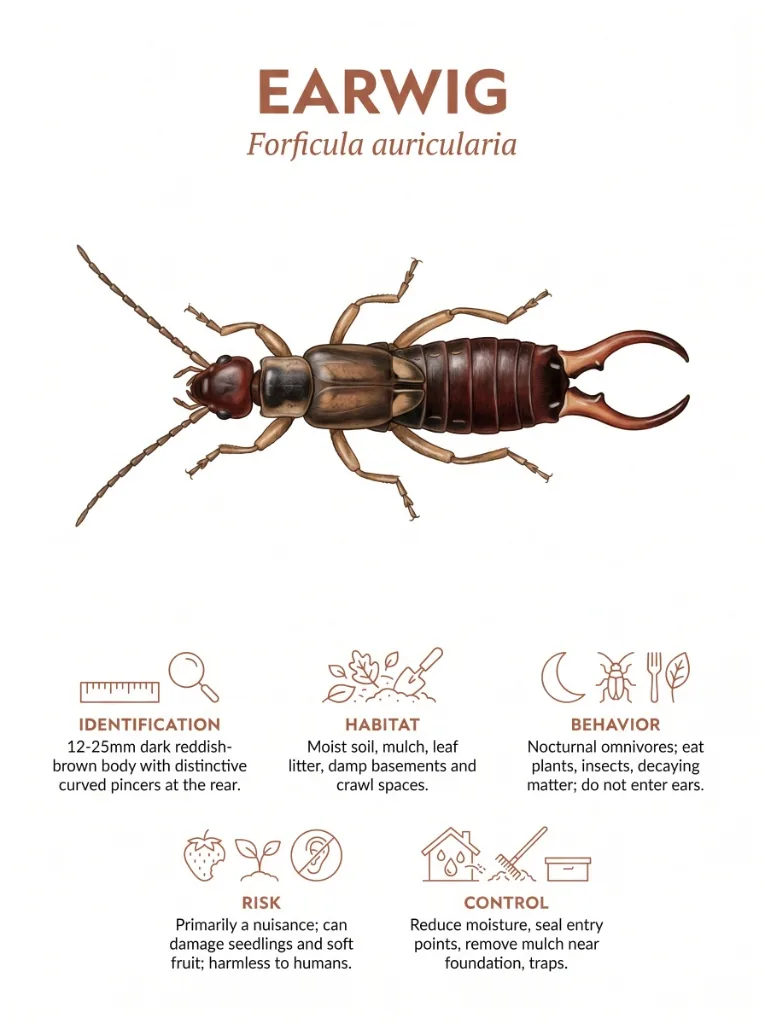
Why Millipedes Migrate Indoors After Rain

Millipedes live in damp organic material outdoors — mulch beds, leaf litter, and soil rich in decaying matter — and heavy or sustained rain can saturate their normal habitat, pushing them to migrate toward higher, drier ground in search of survivable conditions. Homes bordering mulched beds, wooded lots, or areas with poor drainage see this migration most often, typically in spring and fall when rainfall is heaviest.

Millipede Control & Prevention

Because millipedes are moisture-driven, reducing mulch and leaf litter directly against the foundation removes their preferred habitat close to the house. Sealing foundation cracks, door thresholds, and vents blocks the entry points used during a migration event, and a dehumidifier in chronically damp basements or crawl spaces discourages both millipedes and several other moisture-loving occasional invaders at the same time. Millipedes that do get inside cannot survive long without adequate moisture and can simply be vacuumed up.

Frequently asked

Millipede questions homeowners ask

Are millipedes dangerous to touch?
Millipedes do not bite or sting, but some species release a defensive secretion when handled that can mildly irritate skin. Washing hands after contact is a reasonable precaution, but there is no serious health risk.
Why did dozens of millipedes suddenly appear in my garage?
This is a classic post-rain migration — heavy or sustained rainfall saturates their outdoor habitat and pushes large numbers to seek drier ground, occasionally leading them toward a garage, basement, or crawl space entry point.

Related pests

More in occasional invaders

Browse all pests